Home Blog

Croatia Tourism Surges as Easter Travel Booms

Croatia’s tourism sector entered 2026 with strong momentum after posting more than €15.3 billion in foreign tourism revenue in 2025, alongside a busy Easter period that brought tens of thousands of visitors to key regions.

Early indicators from Dalmatia and Istria point to steady demand, even as industry leaders warned that inflation, rising travel costs, and global uncertainty could shape booking patterns later in the year.

Officials said that the country’s performance last year, combined with a solid start to the current season, places Croatia in a strong position, though pricing and competitiveness remain central concerns.

Revenue growth continues

Croatia generated €15.298 billion in foreign tourism revenue in 2025, marking a 2% increase from the previous year. The growth added €292.5 million in income and came alongside record numbers of arrivals and overnight stays.

In the final quarter of 2025, tourism revenue reached €1.886 billion, up 3.8% compared with the same period in 2024.

Tourism Minister Tonči Glavina welcomed the results, stating that record revenues accompanied strong visitor numbers and showed continued development in the sector. 

He said that early trends in 2026 remain positive, though the global environment makes forecasting difficult.

“It is realistic to expect that this year, more than before, travel decisions will be made at the last minute,” Glavina said, adding that most guests could decide within one or two weeks before traveling.

He stressed that maintaining a balanced tourism offer and responsible pricing would be central to keeping growth stable.

Easter boosts early season

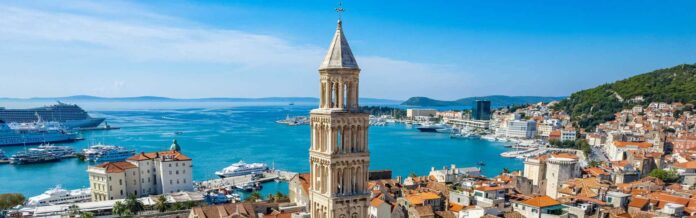
The 2026 season opened with strong Easter travel across coastal regions, particularly in Split and Istria.

In Split-Dalmatia County, around 12,000 visitors were expected over the extended holiday weekend, generating about 40,000 overnight stays. The city saw busy waterfront areas as cruise ships docked, flights resumed under the summer schedule, and hotels reported high occupancy.

Tourism officials noted that many visitors had booked their trips months in advance, especially airline passengers. Travelers from North America and other distant markets returned, though some said rising travel costs could affect future decisions.

Air travel expands

Air connectivity remains a major driver for the 2026 season.

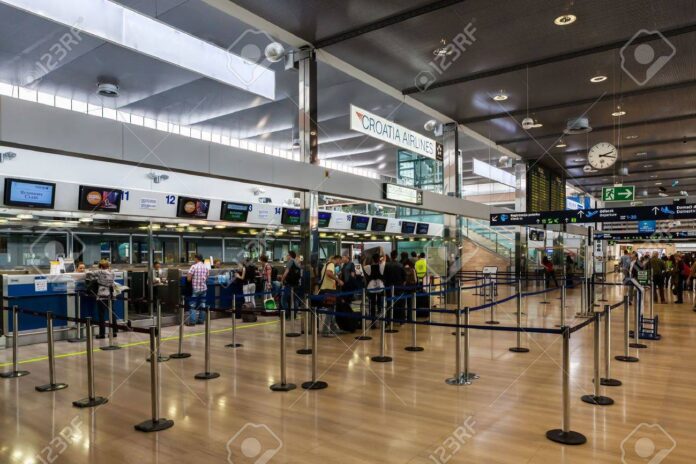
Split Airport is entering the year with its largest flight schedule to date, with 45 airlines connecting the city to 85 destinations across 28 countries. A new seasonal direct service to the United States is set to begin on May 1, operated by United Airlines.

At the same time, a large share of visitors continues to arrive by car from nearby countries, especially Germany, Poland, Slovenia, and Bosnia and Herzegovina.

Tourism officials said that this mix of long-haul and regional travelers supports stable demand across different periods of the season. More
By https://etias.com/

The loveliest Croatia islands to visit in 2026

Island life. Two words that sum up the very essence of a holiday; that delicious sense of crossing the seas and leaving the mainland behind, disappearing into a smaller world, with its own individual culture, tradition and stories. 

Croatia brims over with islands – 1,244 to be specific, although only 50 are inhabited – some of them firmly on the tourism map, others happy to remain under the radar.

What unites them all is a glorious mix of history, tradition and unspoilt natural beauty – whether Mljet’s densely beautiful pine forests (which cover 70% of the island), Hvar’s shimmering purple lavender fields or the great hook of sand that forms Zlatni Rt beach on the island of Brac. Vineyards roll out around picturebook hilltop villages, elegant coastal towns boast historic Venetian piazzas and Roman harbours, lined with traditional konoba restaurants serving traditional dishes such as mussels buzara (in a rich tomato sauce) and crni rizoto (risotto made with black squid ink).

The good news is that you don’t have to pick just one. An efficient network of ferries that run between the best islands in Croatia, as well as relatively short distances, make hopping between them easy; a chance to pair the glamour and glitz of Hvar with the tranquillity of Vis, or the natural beauty of Mljet. It’s worth remembering though – once you adjust to island life on any one of these idyllic Croatian isles, it’s tempting to stay forever.

Korčula

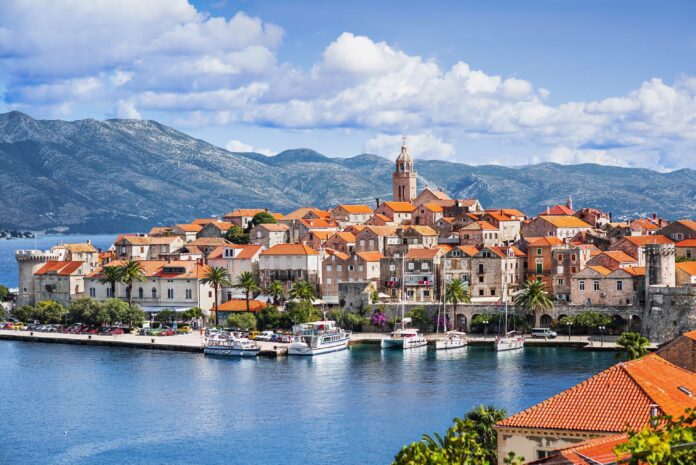
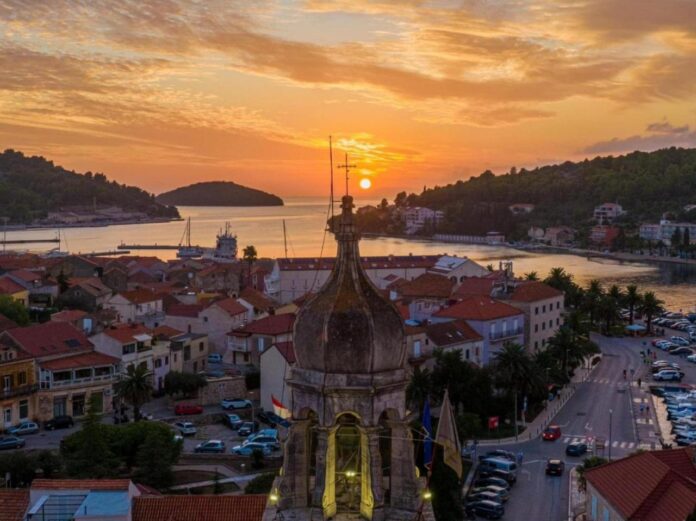
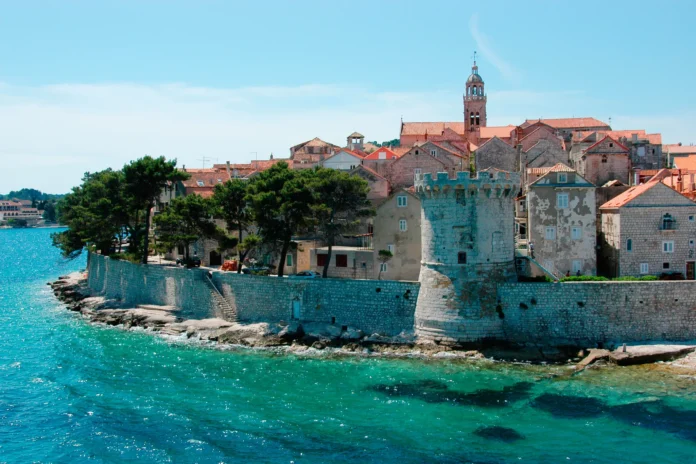
As the ferry from Orebic glides closer to the island, it’s not difficult to see why Korcula is called ‘little Dubrovnik’: a patchwork of terracotta roofs between the towers and ramparts of the medieval citadel, almost entirely surrounded by sea. Inside the walls, a lattice of winding streets and elegant piazzas is home to luxury hotels, traditional konobas and shady cafes.

Beyond the main town, the hills are covered in olive groves and vineyards, while beaches such as Vela Przina and Punatska Luka – which has a gorgeous beach bar – are perfect for lazy afternoons after mornings exploring. Fine dining doesn’t come better than the Michelin-starred LD restaurant while Konoba Mate in Pupnat is the place to taste the island’s best produce.

Where to stay: Tara’s Lodge has a sleek, contemporary feel with white-washed rooms facing out over the tranquil bay, and fresh seafood and local wines at Mimi’s Bistro. For a truly memorable stay, the luxury loft at the Ismaelli Palace is a two-bedroom bolthole in a medieval palace, with every 21st century mod con.

More

By Annabelle Thorpe

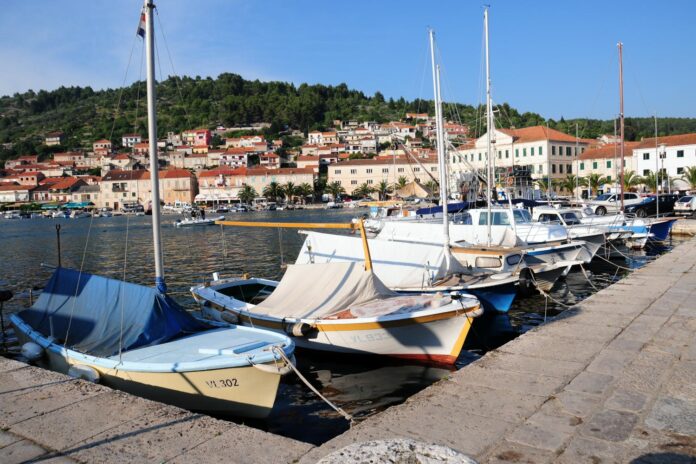
Vela Luka Korčula, Drive-By Marina

A slow drive by the Vela Luka bay, Korčula island, Croatia.

CROATIA IS EUROPE’S PARADISE!! 

I explore Croatia’s Dalmatian region in this video, from historic towns like Split and Dubrovnik, to Croatia’s island gems Hvar and Korcula, this region along Croatia’s Adriatic coastline is truly breath-taking, with some of the most incredible turquoise coves, mouth watering Mediterranean cuisine, and incredibly well preserved medieval architecture.

Croatia’s locals are also very warm and hospitable, and it made the experience even more special. Island hopping in Croatia is a must, and the Pakleni Islands off Hvar hide beautiful beaches like Mlini beach, it’s the perfect place to do a boat trip and explore Croatia’s islands and coastline.

Croatian wine making is ancient and there are plenty of wineries to try some of the local indigenous grape varieties, along with fresh local food. My expectations for Croatia were completely surpassed, I’ve never seen quite so much beauty!

No more passport stamps: Croatia begins new EU digital border system

From Friday, 10 April, European Union member states, including Croatia, will begin full implementation of the Entry/Exit System (EES), marking the transition to a fully digital system for recording crossings at the external borders of the Schengen Area.

Croatia’s Ministry of the Interior confirmed that the system’s gradual rollout has now been completed and border crossings will be recorded exclusively through the new digital platform.

According to Interior Minister Davor Božinović, the change will not affect Croatian citizens or other EU nationals.

“For citizens of Croatia and other EU member states there are no changes, apart from increased security. The main changes apply to travellers from third countries,” Božinović said in a statement on Facebook.

Passport stamps replaced by digital records

Under the new system, the traditional stamping of passports for non-EU travellers will be replaced by digital registration.

Authorities will electronically record travel document details along with biometric data such as fingerprints and facial images. The system automatically logs the date and location of entry and exit, the length of permitted stay and any refusal of entry.

Officials say the digital platform will allow authorities to track the duration of stays more accurately, detect overstays automatically and make it harder to use forged travel documents. More

By https://www.croatiaweek.com/

How To Make Pašticada

This hearty meal is packed with flavour using rich seasonings and fresh produce taking up to 3 days to prepare. Preparation is key for this recipe as it requires planning in advance!

From marinating your cut of meat, braising for 4 hours, as well as an additional 24 hour marination, the dish is well worth your efforts once you’re enjoying the final meal!

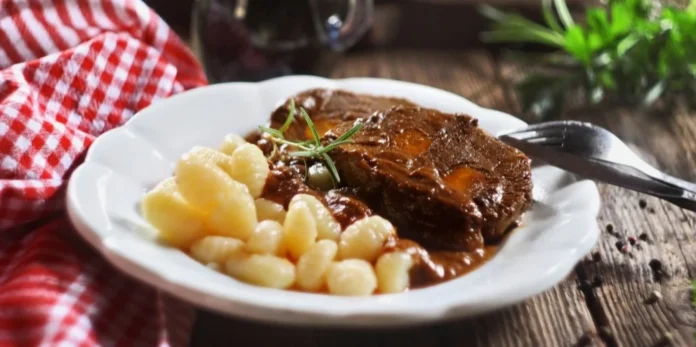
Usually prepared for special events and big feasts, Pašticada can be enjoyed year round especially if you’re looking for a meal to impress. Served with pillows of gnocchi, this is comfort food at its finest. Watch our video and try your hand at making Pašticada!

ROBERT MAKŁOWICZ DALMATIA “Along Korčula”.

The culmination of this Dalmatian series is a visit to the island of Korčula, whose charms we’ll explore in more detail this time.

We’ll see the town of Vela Luka, where Tadeusz Kantor once spent his holidays, discover the secrets of the village of Blato, and visit an olive grove typical of the island. For those who enjoy cooking, here’s a recipe for risotto with tomatoes and red wine.

Visit Split 2026

Welcome to Split, a city where history meets the Adriatic! From the stunning Diocletian’s Palace to the vibrant Riva promenade, this Mediterranean gem offers breathtaking views, rich culture, and a unique blend of ancient and modern life.

Stroll through charming stone streets, soak in the sun on beautiful beaches, and experience the true spirit of Dalmatia. Whether you’re a history lover, a foodie, or an adventure seeker, Split has something for everyone.

Croatian Tourism to Benefit From Fears of Distant Travel

Croatian tourism is looking set to benefit from general fears of distant travel as the American and Israeli attacks on Iran disrupt the sector for many countries closer to the fallout.

As Poslovni Dnevnik/Edita Vlahovic Zuvela writes, the ongoing war in the Middle East and fears of a new wave of energy and travel price hikes have loomed over the world. Despite those woes, Croatian tourism is entering the 2026 season with more optimism than panic. While the global tourism market is recovering faster than previously predicted, Croatian tourism has a real chance not only to match, but also to exceed last year’s results as people are abandoning more distant travel plans.

“It’s still too premature to draw any real conclusions regarding this year’s tourism results, especially in the context of the situation unfolding across the Middle East. However, so far this year, bookings for Croatia in most markets, especially European ones, are either at last year’s level or slightly better. We must also take into account the impact of last-minute bookings because, given the security and economic circumstances, travellers will make their final travel decisions just before their trip,” Kristjan Staničić, director of the Croatian National Tourist Board (HTZ), explained.

According to projections by the World Tourism Organisation, international tourism is expected to grow by between 3 and 4% in 2026, provided that global economic conditions remain favourable, service prices continue to correct downwards, and geopolitical conflicts do not continue to seriously escalate.

Croatia is one of several countries likely to benefit from global woes

“It’s to be expected that some European travellers will replace distant destinations with trips to closer and more accessible countries. This is also indicated by data from the European Travel Commission, according to which European travellers will redirect their trips to destinations like Croatia, Italy, Spain and Malta,” said Staničić. The European Travel Commission also predicts that international arrivals to Europe will increase by around 6% in 2026.

Croatia is entering 2026 with an upward trend in tourism – 2025 exceeded the pre-pandemic year of 2019, the number of overnight stays was 3.9% higher than before the pandemic, and the season has measurably extended, according to analyses by Goran Buturac More

Last-Minute Bookings Dominate Croatia’s 2026 Tourism Season

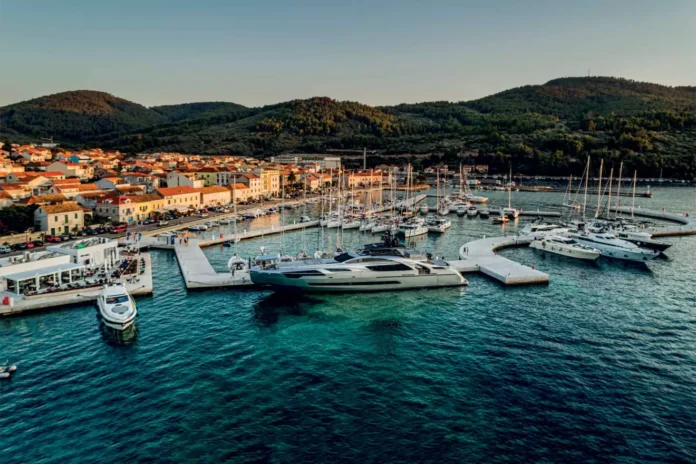
Marina Korkyra Vela Luka

Croatia’s tourism sector is increasingly defined by last-minute bookings, as global geopolitical tensions and economic uncertainty make travellers more cautious in planning their holidays.

While demand for the Adriatic destination remains solid, industry insiders note a clear shift in behaviour, with visitors waiting longer before confirming trips, creating challenges for planning and pricing across the sector.

Tourism operators report that traditional early bookings have slowed, replaced by a more flexible approach driven by concerns over global conflicts and broader instability.

This trend complicates forecasting for hotels, private accommodation providers and travel agencies, which must now adapt to shorter booking windows while maintaining service quality during peak season.

Despite these challenges, Croatia continues to benefit from its strong reputation as a safe and attractive Mediterranean destination. However, the rise of last-minute travel underscores a wider transformation in global tourism, where external shocks, from geopolitical risks to economic pressures, are increasingly influencing how and when people choose to travel. More

By Cregion